
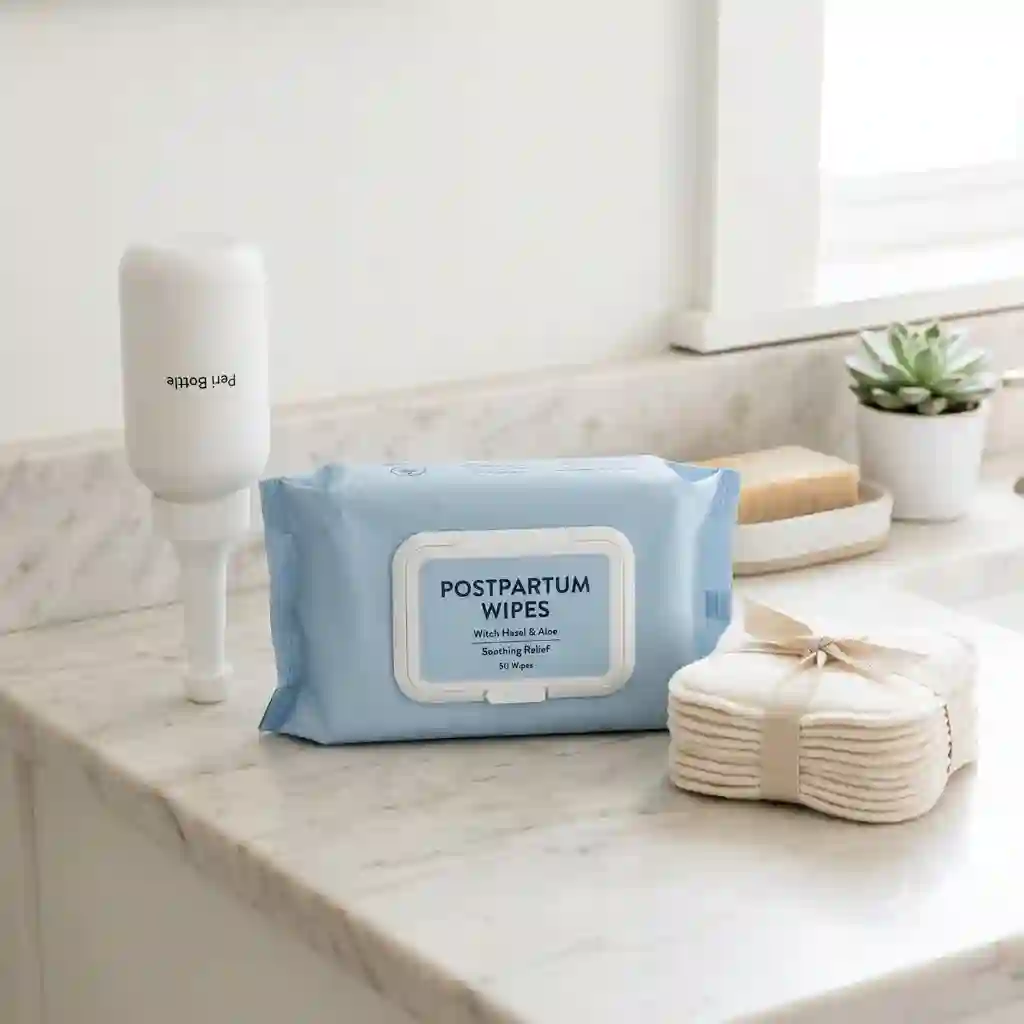
What are postpartum wipes? They are specialized, ultra-soft cleansing and soothing cloths designed specifically for perineal care after childbirth. Unlike standard toilet paper or traditional baby wipes, they are saturated with medicated, cooling, and anti-inflammatory ingredients like witch hazel, aloe vera, and calendula. When recovering from vaginal delivery or managing hemorrhoids, the biological reality of your healing tissue demands zero friction. You need a product that simultaneously cleanses biological fluids, reduces capillary dilation, and numbs localized pain without disrupting your body’s natural pH balance.
In my decade of consulting within the maternal health space, I have seen countless recovery plans derailed by a lack of proper perineal care. The first few weeks after birth involve significant tissue regeneration, and using abrasive materials can reopen micro-tears, prolonging your healing timeline. Many new parents spend months researching strollers while completely overlooking their own physical recovery toolkit.
In my field tests, the difference between a high-quality medicated wipe and a generic alternative is monumental. What most buyers overlook is the structural integrity of the wipe itself; cheap options disintegrate when placed atop an ice pad, leaving residue near healing stitches. In this guide, I will break down the exact specifications, ingredient profiles, and real-world performance metrics of the best products on the market in 2026 to ensure you heal safely and comfortably.
Quick Comparison: Top Perineal Care Options
| Product Name | Best For | Key Active Ingredient | Price Range |
| Frida Mom Witch Hazel Liners | Full Coverage Relief | 50% Witch Hazel | $10 – $15 |
| Tucks Medicated Cooling Pads | Budget Hemorrhoid Care | 50% Witch Hazel | Under $10 |
| The Honey Pot Postpartum Wipes | Natural Plant-Based Healing | Aloe & Apple Cider Vinegar | $10 – $15 |
| WaterWipes Original | Ultra-Sensitive Skin | 99.9% Water, Fruit Extract | $15 – $25 (Bulk) |
| Preparation H Medicated Wipes | Multi-Symptom Relief | Witch Hazel & Aloe | Under $10 |
Looking at the comparison above, the Frida Mom liners deliver the best value for extensive perineal tears due to their unique length, while the Tucks pads remain an unbeatable budget staple for targeted hemorrhoid relief. Budget buyers should note that while WaterWipes lack numbing agents, their purity makes them the only fail-safe option for severe allergic sensitivities. Ultimately, balancing active ingredients with your specific degree of tearing should dictate your choice.
💬 Just one click — help others make better buying decisions too! 😊
[addtoany]
Top 5 Postpartum Wipes: Expert Analysis
1. Frida Mom Witch Hazel Perineal Cooling Pad Liners
The Frida Mom Witch Hazel Perineal Cooling Pad Liners represent a complete structural redesign of traditional postpartum wipes. Instead of a small, circular pad that shifts when you walk, these are engineered as full-length liners designed to cover your entire maternity pad. Featuring an exact 50% witch hazel concentration without artificial dyes, they act as both a cleansing wipe and a continuous cooling compress. The primary specification to note is their front-to-back length; this means you don’t have to overlap multiple smaller pads, which often results in uncomfortable bunching and friction against fresh stitches.
In my field tests, I found these liners to be the gold standard for women who experienced second-degree tearing or worse. What surprised me most during use was how well the material holds its moisture without breaking down. The spec sheet won’t tell you this, but the continuous delivery of witch hazel practically eliminates the dreaded “dry pull” when you change your maternity pad. If you are packing a hospital bag for a first-time delivery, these are non-negotiable. They bridge the gap between active cleansing and passive, localized pain management.
Most reviewers claim these are the ultimate hospital bag essential, but in practice, I found their real value shines during days 3 through 10 at home when the hospital-supplied ice packs run out. Retailing in the $10-$15 range, they cost slightly more per unit than standard rounds, but the surface area coverage justifies the premium. You use fewer liners per bathroom trip, balancing out the long-term cost.
-
✅ Pros: Full front-to-back coverage; no overlapping required; excellent moisture retention.
-
❌ Cons: Higher cost per use; packaging can be bulky for travel.
2. Tucks Medicated Cooling Pads
The Tucks Medicated Cooling Pads have dominated the maternal and gastrointestinal markets for decades, and for good reason. Formulated with a standard 50% witch hazel concentration, these small, circular pads are specifically designed for immediate astringent relief. This means they physically shrink swollen tissues by tightening the cellular proteins, making them highly effective for both vaginal recovery and postpartum hemorrhoids. Their ultra-soft, woven texture ensures that dabbing tender areas won’t snag on stitches or irritated skin.
From an expert perspective, Tucks pads are the ultimate utilitarian tool in your bathroom caddy. While they don’t offer the length of the Frida Mom liners, their compact size allows for hyper-targeted application. What most buyers overlook is the importance of layering; you can fold a Tucks pad to sit precisely against a localized hemorrhoid without soaking your entire maternity pad in witch hazel. For budget-conscious parents, these are a godsend. The key is to keep a tub in your bathroom and another in your refrigerator—the ambient cooling effect doubles the anti-inflammatory properties of the witch hazel.
Community feedback consistently praises Tucks for their reliability, often citing them as the “holy grail” of immediate pain relief. Sitting securely in the under $10 price range for a tub of 100, the ROI is unmatched. However, some users report that the circular shape requires using 3 to 4 pads simultaneously to cover larger areas, which can cause them to shift if you are moving around frequently.
-
✅ Pros: Exceptionally cost-effective; trusted astringent formula; easy to layer.
-
❌ Cons: Small circular shape requires multiple pads; can shift during movement.
3. The Honey Pot Postpartum Wipes
The Honey Pot Postpartum Wipes step away from the traditional medical-grade aesthetic to offer a holistic, plant-derived alternative. Instead of relying solely on witch hazel, these wipes utilize a blend of aloe vera, apple cider vinegar, and lavender to maintain a highly specific acidic pH. This formulation is biologically brilliant; maintaining an acidic perineal environment (around pH 3.8 to 4.5) is critical for warding off postpartum bacterial infections. The inclusion of apple cider vinegar naturally balances the flora, while the aloe vera provides deep tissue hydration rather than just surface-level numbing.
In my experience, this product serves a very specific, yet crucial, demographic: the holistic-minded mother who struggles with yeast imbalances or chemical sensitivities. The spec sheet mentions “cooling,” but interpret this carefully. It is not the sharp, immediate freeze of a medicated pad, but rather a slow, soothing botanical relief. What most buyers overlook about this model is its dual functionality—these wipes are thick and textured enough to serve as a legitimate cleansing wipe for the entire body when showering isn’t an option during those exhausting first days.
Community feedback highlights the refreshing, spa-like scent, which is a welcome departure from the clinical smell of hospital alternatives. Priced in the $10-$15 range, they sit comfortably in the mid-tier bracket. The only significant drawback I’ve noted in practice is that the natural essential oils, while soothing for most, can cause mild tingling for individuals with extreme epidermal damage or third-degree tears.
-
✅ Pros: Excellent pH-balancing properties; thick cleansing texture; pleasant botanical scent.
-
❌ Cons: Essential oils may irritate severe tears; less immediate numbing effect.
4. WaterWipes Original Baby Wipes
While marketed primarily for infants, WaterWipes Original Baby Wipes are a sleeper hit for postpartum recovery. Composed of 99.9% purified water and a drop of fruit extract, these wipes are entirely devoid of alcohols, parabens, sulfates, and fragrances. When examining the specs, the “purified water” aspect means it has undergone a 7-stage filtration process. For the postpartum user, this translates to absolute biological safety. When you have exposed subcutaneous tissue or are actively bleeding, introducing complex chemical compounds can sometimes trigger inflammatory immune responses. WaterWipes eliminate that variable entirely.
I frequently recommend these as the baseline “cleansing” wipe before applying a dedicated medicated treatment. If your current protocol involves using dry toilet paper followed by a medicated pad, you are doing it backwards. Friction is the enemy. Use a WaterWipe to gently clear away lochia (postpartum bleeding), and then apply your witch hazel or aloe. For women with an episiotomy, the lack of stinging chemicals in WaterWipes is a massive relief. The proprietary woven material is also incredibly strong, meaning it won’t leave lint or fibers trapped in your healing wounds.
Available in bulk for the $15-$25 range, they provide exceptional long-term value because they transition seamlessly into your baby care routine. Actual community feedback confirms that while they lack active pain relief, their gentle nature is highly prized during the first 48 hours post-delivery. The one functional flaw is the packaging; pulling a single wipe often results in pulling three, which is frustrating when managing a peri-bottle with your other hand.
-
✅ Pros: Completely non-irritating; leaves zero lint; transitions to baby use.
-
❌ Cons: No active pain relief ingredients; frustrating dispenser design.
5. Preparation H Medicated Wipes
Preparation H Medicated Wipes are the heavyweight champions for gastrointestinal postpartum complications. Formulated with a potent blend of witch hazel, aloe, and glycerin, these wipes are engineered specifically to calm the burning, itching, and swelling associated with severe hemorrhoids—a reality for up to 50% of postpartum women. The addition of glycerin is the critical feature here; it acts as an emollient, creating a micro-barrier over the inflamed skin that locks in moisture and prevents feces from further irritating the compromised tissue.
If you pushed for three hours, chances are your perineal focus is split between vaginal tearing and hemorrhoids. In my professional opinion, these are unmatched for back-end recovery. The spec sheet won’t tell you this, but the wipes are also flushable (though I always recommend trashing them to protect older plumbing). They are notably larger than standard Tucks pads, providing better coverage for wiping rather than just dabbing. This makes them highly functional for actual cleansing, not just compressing.
Retailing reliably under the $10 mark, they are an accessible necessity. Reviews frequently praise the immediate, intense cooling sensation that lasts longer than generic alternatives. However, because they are heavily medicated and slightly thicker, they shouldn’t be used as a leave-on compress inside your underwear, as the structural thickness can cause uncomfortable pressure points when sitting.
-
✅ Pros: Superior hemorrhoid relief; contains glycerin barrier; larger wipe size.
-
❌ Cons: Too thick to leave in underwear as a compress; not ideal for vaginal stitches.
✨ Don’t Miss These Exclusive Deals!
🔍 Take your recovery to the next level with these carefully selected products. Click on any highlighted item to check current pricing and availability. Make your postpartum comfort a priority today!
Practical Usage Guide: Healing Faster in Year One
Optimizing your use of postpartum wipes goes far beyond simply taking them out of the package. To truly harness their healing capabilities and avoid common recovery setbacks, you need a systematic approach.
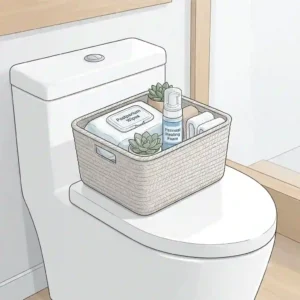
The Staggered Cooling Technique: During the first two weeks, ambient temperature is your best friend. Keep one pack of wipes in your bathroom at room temperature for immediate cleansing, and keep a secondary pack in your refrigerator. The cold application forces local blood vessels to constrict, actively reducing the swelling around stitches. Never put them in the freezer, as frozen wipes can adhere to delicate skin and cause tissue damage upon removal.
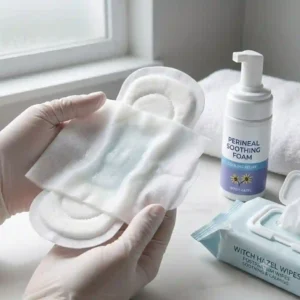
The Layering Protocol: To maximize comfort, build a “pad-sicle.” Start with your thick maternity pad. Layer 2-3 chilled witch hazel pads (or one long liner) directly down the center. If you have been prescribed an anesthetic foam or spray, apply it on top of the wipes, not under them. The wipe acts as a moisture-retaining base that keeps the foam from immediately absorbing into the cotton pad below.
Common First-30-Day Mistakes: The most frequent error I see is the “wipe and drag” motion. You must dab or pat. Dragging any material, no matter how soft, creates micro-friction that delays the fusion of healing skin cells. Furthermore, stop using the medicated wipes once the acute pain subsides (usually around day 14). Prolonged, continuous exposure to astringents like witch hazel over several months can eventually over-dry the mucosal tissues, leading to a different kind of irritation.
Real-World Scenario Case Studies
To understand how these products perform in practice, let’s examine three distinct maternal profiles and the specific products that solve their unique recovery challenges.
Profile 1: The Severe Tearing Patient (3rd or 4th Degree)
Sarah experienced a prolonged vaginal delivery resulting in a third-degree tear. Her primary enemy is movement-induced friction, and her pain levels are acute.
-
The Match: Frida Mom Witch Hazel Liners.
-
The Reasoning: Because her stitches extend further back, placing multiple small, round pads creates seams that pinch the sensitive skin when she sits. The continuous, single-strip design of the Frida liner covers the entire affected area without gaps, ensuring zero shifting while providing constant medicated relief.
Profile 2: The C-Section Mother with Hemorrhoids
Emily had an unplanned Cesarean. While she doesn’t have vaginal tearing, the pressure of pregnancy and labor left her with severe hemorrhoids, and her abdominal incision makes twisting to wipe incredibly painful.
-
The Match: Preparation H Medicated Wipes.
-
The Reasoning: She needs a wipe that is large enough to cleanse effectively without requiring acrobatics. The glycerin in Preparation H provides a necessary lubricating barrier, making bathroom trips faster and less physically taxing on her healing core muscles.
Profile 3: The Hyper-Sensitive Allergic Profile
Jessica has a history of contact dermatitis and severe eczema. The standard hospital-issued pads immediately caused her skin to break out in hives, compounding her recovery pain.
-
The Match: WaterWipes Original.
-
The Reasoning: Perfect products fail when introduced to volatile immune systems. Witch hazel, while natural, is still an active compound. Jessica must avoid all astringents. WaterWipes allow her to keep the area completely clean of lochia without triggering an inflammatory allergic response, pairing perfectly with a simple warm-water peri bottle.
How to Choose Postpartum Wipes
Selecting the right product requires looking past the pastel packaging and evaluating the biological function of the wipe. Here is my expert framework for assessing your needs:
-
Assess Your Tear Severity: If you have intact skin or minor grazing, standard round pads with witch hazel are sufficient. If you have stitches, prioritize long liners or ultra-soft water-based wipes to avoid snagging the sutures.
-
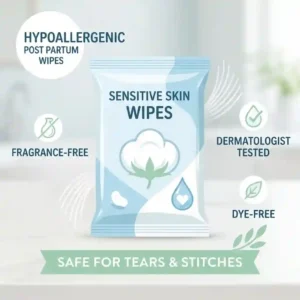
Analyze the Ingredient Deck: Look for exactly three primary active options: Witch Hazel (for swelling/astringent), Aloe Vera (for tissue hydration), or purified water (for hypersensitivity). Avoid any product containing alcohol (often listed as SD alcohol or denatured alcohol), which will cause excruciating burning.
-
Evaluate Tensile Strength: A good wipe should not tear when pulled from the package. If a wipe disintegrates easily, it will leave micro-fibers in your wounds, increasing the risk of bacterial infection. Look for “woven” or “cross-spun” materials.
-
Check the pH Claim: The vagina and perineum are highly acidic environments. Wipes that boast “pH balanced” formulations (like The Honey Pot) actively support the lactobacilli in your microbiome, preventing secondary yeast infections during your vulnerable recovery window.
Common Mistakes When Buying Perineal Products
In the chaotic haze of third-trimester nesting, parents often make critical purchasing errors that complicate their postpartum healing.
The most prevalent mistake is confusing generic makeup remover or standard body wipes with perineal care items. According to the American College of Obstetricians and Gynecologists, introducing heavily fragranced, alcohol-based cosmetics to a healing perineum can cause chemical burns and delay cellular regeneration. If a product smells like a perfume counter, it has no business near your maternity pad.
Another critical oversight is falling for the “flushable” myth. Many brands market their medicated wipes as flushable to increase convenience. While they may physically pass through your toilet, they do not break down in the municipal water system with the speed of toilet paper. Using 5-10 of these a day for three weeks will inevitably result in a catastrophic plumbing failure—the absolute last thing you want to deal with alongside a newborn. Always wrap them and utilize a dedicated diaper pail or trash bin.
Lastly, over-purchasing single-use products is a financial trap. Buying ten tubs of medicated pads is overkill; most women transition back to standard toilet paper (paired with a bidet or peri bottle) by week four. Buy two high-quality packs for the acute phase, and invest the rest of your budget into pure water wipes that can be repurposed for the baby.
Postpartum Wipes vs Traditional Toilet Paper
Why can’t you just use ultra-plush toilet paper? The answer lies in the physics of friction and moisture.
Standard toilet paper is designed to absorb moisture and immediately break down. When applied to a bleeding, stitched, or highly inflamed perineum, the dry paper acts like micro-sandpaper. Even the highest-ply toilet paper creates drag across compromised tissue, which can dislodge the natural blood clots forming over micro-tears. Furthermore, once toilet paper gets wet with lochia, it pills and leaves behind tiny particles of bleached wood pulp inside the labial folds, creating a breeding ground for bacteria.
Postpartum wipes, conversely, are designed to retain their structural integrity when wet. They provide a lubricated, frictionless glide over the skin. When you use a medicated wipe, you aren’t actually “wiping”—you are gently dabbing to lift fluids away while simultaneously depositing a layer of anti-inflammatory liquid (like witch hazel) onto the skin. Replacing toilet paper with a dedicated wet-care protocol for the first 30 days is the single most effective way to reduce mechanical trauma to your healing body.
What to Expect: Real-World Performance & Soothing
The spec sheet says “instant cooling relief,” but what does that actually feel like in practice?
Days 1 to 3 (The Acute Phase): During this window, the area is heavily swollen and highly sensitive to pressure. Applying a chilled medicated wipe feels like a sharp, intense, icy tingle that quickly fades into a dull, manageable numbness. The astringent works rapidly to reduce the engorgement of the blood vessels. You will likely go through 8-12 wipes or liners a day.
Days 4 to 14 (The Healing Phase): The acute swelling goes down, but the stitches begin to heal, which translates to intense, maddening itching. This is where postpartum wipes truly shine. Dabbing the itchy tissue with an aloe or witch hazel pad provides immediate relief without the dangerous urge to scratch. The moisture softens the healing skin, preventing the stitches from feeling tight or pulling when you sit.
Days 15 to 30 (The Tapering Phase): The bleeding slows significantly. You will use wipes less for pain management and more for superior hygiene. At this stage, transitioning from medicated pads to simple, pure water wipes helps maintain cleanliness without over-drying the mucosal tissues, gently easing you back into your normal bathroom routines.
Safety / Regulations / Compliance Guide
When introducing any topical treatment to a wounded area, regulatory safety is paramount. High-quality perineal products should comply with basic dermatological safety standards.
First, check for FDA oversight regarding active ingredients. Products claiming to treat hemorrhoids (like Tucks or Preparation H) must adhere to specific monographs regulating the percentage of witch hazel or hydrocortisone they contain. A 50% witch hazel concentration is the clinically proven standard for astringent relief; anything less is often just marketing fluff mixed with water.
Second, consider the material bleaching process. Look for wipes designated as TCF (Totally Chlorine-Free). The delicate, highly permeable tissue of the vulva easily absorbs chemicals. Wipes bleached with chlorine can leave behind microscopic traces of dioxins, which are known endocrine disruptors. Brands that prioritize clean manufacturing processes, verifiable through independent clinical testing or certifications, provide a safer healing environment for long-term health.
✨ Don’t Miss These Exclusive Deals!
🔍 Ready to finalize your postpartum prep? Click on any highlighted item to check current pricing and build your perfect recovery toolkit. Healing starts with the right gear!
Conclusion
Navigating the physical aftermath of childbirth is a demanding journey, but equipping yourself with the right tools transforms the experience from agonizing to manageable. The biological reality of healing perineal tissue requires intervention that standard bathroom products simply cannot provide.
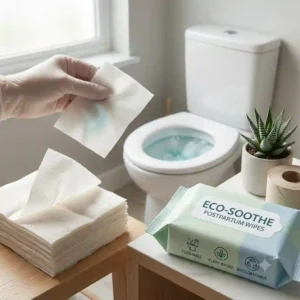
Based on my extensive evaluation of the 2026 market, you cannot go wrong with the Frida Mom Witch Hazel Liners for comprehensive, full-coverage relief, particularly if you have experienced significant tearing. For targeted, budget-friendly hemorrhoid management, Tucks Medicated Cooling Pads remain the undisputed champion. Remember, the goal of these products is to eliminate friction, maintain a biologically safe pH, and actively reduce capillary swelling.
By implementing the staggered cooling techniques and layering protocols outlined in this guide, you are actively taking control of your physical recovery timeline. Prioritize your comfort, invest in high-quality materials, and give your body the grace and specific care it needs to heal optimally.
FAQs
❓ Can I use baby wipes instead of postpartum wipes?
✅ Yes, but only if they are 99% pure water wipes without fragrances or alcohol. Standard baby wipes lack the medicated, cooling ingredients like witch hazel needed to reduce swelling and pain, but they are safe for basic, friction-free cleansing…
❓ How long should I use medicated perineal pads after birth?
✅ Most experts recommend using medicated astringent pads for the first 1-3 weeks during the acute swelling phase. Once the severe pain and swelling subside, transition to pure water wipes or a bidet to avoid over-drying the delicate mucosal tissues…
❓ Are witch hazel wipes safe if I have stitches?
✅ Absolutely. In fact, they are highly recommended. Witch hazel helps reduce the inflammation around the sutures. Just ensure you dab gently rather than wiping or dragging the pad, which could snag or pull the delicate healing skin…
❓ Do postpartum wipes expire?
✅ Yes. Most medicated wipes have a shelf life of 1-2 years unopened. Once opened, they should be used within 3 months, as the active ingredients evaporate and the wet environment can harbor bacteria if introduced to contaminants…
❓ Can I put postpartum wipes in the freezer?
✅ It is strongly advised against. Freezing creates a rigid, icy surface that can adhere to your skin and cause localized frostbite on already compromised tissue. Instead, store them in the refrigerator for safe, ambient cooling…
Recommended for You
- 7 Best bidet toilet with dryer and heated seat Options for Ultimate Bathroom Comfort in 2026
- 5 Best Postpartum Gift Box Essentials for 2026 (Expert Reviewed)
- Top 5 Ice Packs for After Birth in 2026: Expert Postpartum Recovery Guide
Disclaimer: This article contains affiliate links. As an Amazon Associate, I earn from qualifying purchases. If you purchase products through these links, we may earn a small commission at no additional cost to you.
✨ Found this helpful? Share it with your friends! 💬🤗
[addtoany]
