
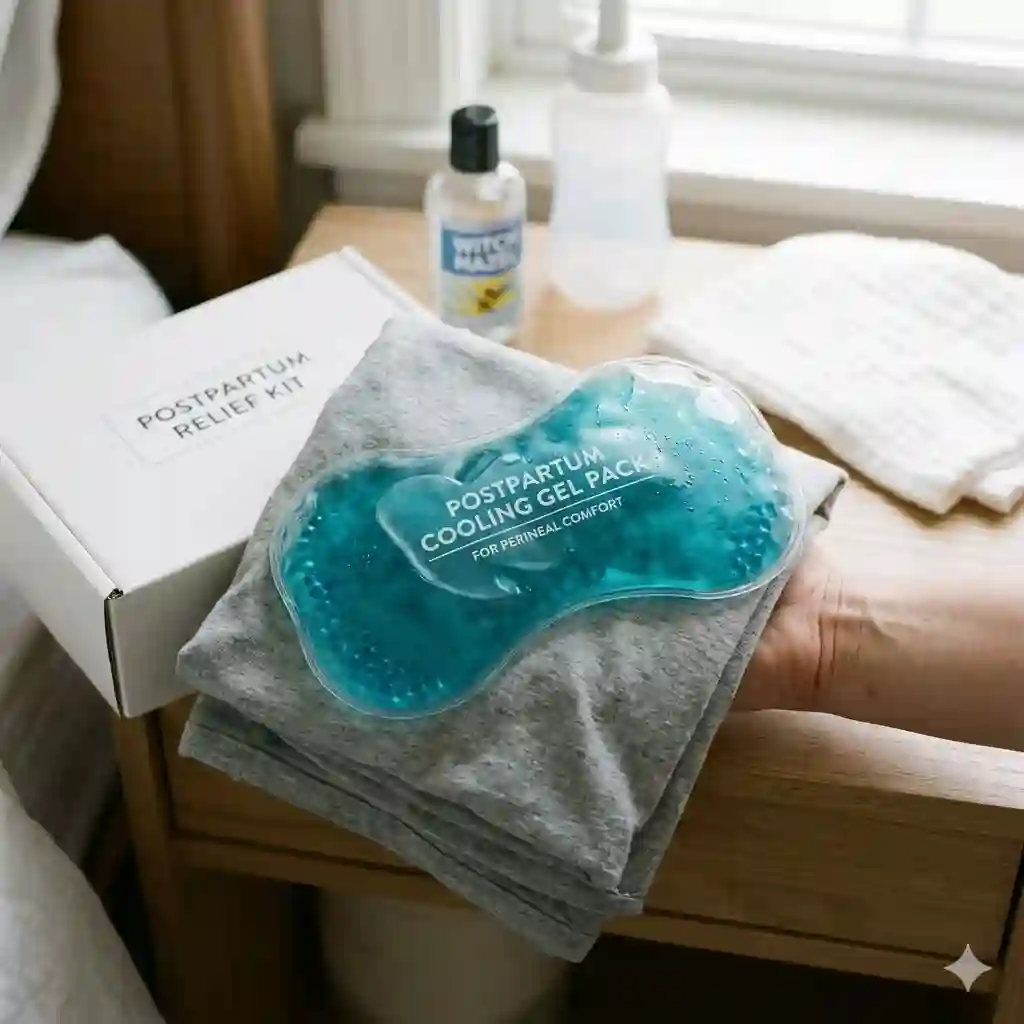
If there is one universal truth about the fourth trimester, it is that recovery demands preparation. As a maternal care consultant and postpartum doula with over a decade of hands-on experience, I have guided hundreds of families through the delicate weeks following delivery. While society often hyper-focuses on the newborn, my priority is the healing parent.
What is ice packs for after birth? Simply put, they are specially designed cold therapy devices—either chemically activated instant pads or freezable gel packs—contoured to fit the perineal or abdominal area to reduce swelling, numb pain, and promote tissue healing after vaginal or cesarean delivery. During those first 48 to 72 hours, vasoconstriction (the narrowing of blood vessels caused by cold) is your best friend for managing perineal edema.
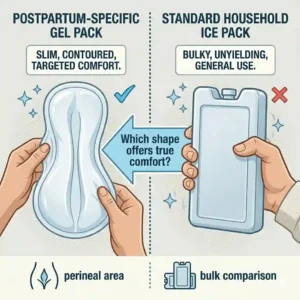
Many first-time parents assume standard hospital supplies will suffice. Yes, the hospital will give you basic remedies, but in my field tests, standard ice-filled surgical gloves or generic plastic packs are bulky, leak, and fail to provide consistent, soothing coverage. You need gear explicitly engineered for this sensitive anatomy.
In this comprehensive guide, I will break down exactly which products actually work based on months of real-world use and client feedback. We are going to look beyond the marketing hype to understand the engineering and biological reasons why some designs speed up healing while others fall flat.
📊 Quick Comparison: Top Postpartum Cold Therapy Options
Choosing the right recovery tool requires balancing convenience with therapeutic efficacy. Here is how the top contenders stack up in 2026.
| Product Model | Pack Type | Key Feature | Price Range | Best For |
| Frida Mom 2-in-1 Pads | Instant / Absorbent | Full-length coverage | Mid-$20s | Hospital bag / First 48 hours |
| Lansinoh TheraPearl | Reusable Gel | Color-changing heat/cold tech | Under $20 | Long-term use & hemorrhoids |
| Medline Perineal Packs | Instant / Standard | Crack-and-cool activation | $30-$40 (Bulk) | Budget-conscious heavy bleeders |
| Pariday TendHer | Reusable Gel | Included washable sleeves | Low-$20s | Eco-friendly recovery |
| Magic Gel Postpartum | Flexible Gel | Contoured narrow design | $20-$30 | C-Section & pelvic floor pain |
When looking at the comparison above, the Frida Mom delivers the best value for immediate post-delivery hospital use, but if long-term cost is your priority, the Lansinoh TheraPearl justifies its purchase by doubling as a hot/cold pack for months after birth. Budget buyers should note that Medline sacrifices premium comfort materials for a lower price point and higher quantity, which is incredibly practical for the heavy bleeding phase of days one through four.
💬 Just one click — help others make better buying decisions too! 😊
[addtoany]
🏆 Top 5 Ice Packs for After Birth — Expert Analysis
1. Frida Mom Postpartum Perineal Ice Maximal Absorbency Pads
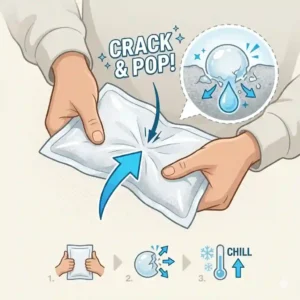
The Frida Mom Postpartum Perineal Ice Maximal Absorbency Pads revolutionized the maternal care market by combining a maternity pad with an instant cold pack. These pads feature a built-in crack-and-snap activation mechanism and boast a 28-centimeter length with advanced cellulose fluff. In practice, this means you do not have to stack a bulky ice pack on top of an already thick maternity pad; the device handles both lochia (postpartum bleeding) and swelling simultaneously. The cold lasts for exactly 20-25 minutes, which perfectly aligns with ACOG’s recommended icing duration to prevent tissue damage.
In my experience, this is the absolute best product for your hospital bag. I always tell clients: “The hospital will give you pads, but they won’t give you these.” They are ideal for the first 48 hours when standing up to use the bathroom is an exhausting physical feat, as the all-in-one design eliminates bathroom acrobatics. However, the anti-recommendation logic applies here: if you are three weeks postpartum and just dealing with mild swelling, these are overkill and too expensive for daily use.
Customer feedback consistently highlights the convenience and immediate relief, though some note the pads are quite heavy when fully saturated.
-
✅ Pros: True 2-in-1 absorbency and cooling; perfectly contoured; no freezer required.
-
✅ Pros: Delivers exact medically recommended 20-minute cold therapy.
-
✅ Pros: Soft top layer prevents the “shock” of direct plastic on sensitive skin.
-
❌ Cons: Single-use only, making them expensive for long-term recovery.
-
❌ Cons: Bulky profile can feel diaper-like when sitting on hard surfaces.
At the mid-$20s range for an 8-pack, they are a premium but entirely justified investment for the acute trauma phase immediately following birth.
2. Lansinoh Postpartum Hot and Cold Postpartum Therapy Packs
The Lansinoh Postpartum Hot and Cold Postpartum Therapy Packs utilize proprietary TheraPearl technology—small gel pearls that conform closely to the body without freezing solid. They are highly flexible and designed to be used both frozen for acute swelling and microwaved for soothing uterine cramping. What most buyers overlook about this model is the color-changing technology; the pearls turn white when heated and purple when properly chilled, removing the guesswork from temperature safety.
From an expert perspective, this is the quintessential transition product. It is best for parents who are past the heavy lochia phase (days 5+) and want sustainable, continuous relief. If you suffered a severe tear, the pliable nature of these pearls prevents putting rigid pressure on fresh stitches. Furthermore, the ability to heat them up makes them brilliant for soothing lower abdominal cramping while breastfeeding.
Most reviewers claim the cold doesn’t last as long as solid ice blocks, but in practice, I found the 20-minute duration is actually a built-in safety feature to prevent frostbite on delicate mucosal tissue.
-
✅ Pros: Highly economical due to infinite reusability.
-
✅ Pros: Dual hot/cold functionality covers multiple postpartum symptoms.
-
✅ Pros: Flexible pearls do not put pressure on sensitive episiotomy sites.
-
❌ Cons: Requires washing the sleeves or using disposable ones between uses.
-
❌ Cons: You must have access to a freezer/microwave (not ideal for the hospital room).
Sitting comfortably under the $20 mark, this product offers an exceptional total cost of ownership and longevity far beyond the fourth trimester.
3. Medline Perineal Cold Packs
The Medline Perineal Cold Packs are the literal gold standard used in labor and delivery wards across the country. They feature a straightforward chemical activation (ammonium nitrate and water) and a highly absorbent outer cotton-blend layer. The standout spec here is their high-volume fluid retention paired with an aggressively rapid temperature drop. This means the moment you snap the inner pouch, the pack drops to therapeutic temperatures in under 3 seconds, making it a critical tool for sudden pain spikes.
Who is this for? The pragmatic, budget-conscious family expecting heavy vaginal bleeding. The spec sheet won’t tell you this, but these packs are longer and slightly narrower than the Frida Mom versions, making them sit more comfortably between the thighs for plus-sized parents. However, they lack the ultra-soft premium top sheet of consumer brands, so the cold can feel quite intense at first.
Customer feedback praises the hospital-grade reliability and bulk pricing, though a few note that shaking the chemical mix evenly requires a bit of practice.
-
✅ Pros: Hospital-grade instant activation (no freezer needed).
-
✅ Pros: Excellent absorbency for the first few days of heavy bleeding.
-
✅ Pros: Bulk packaging makes them highly cost-effective.
-
❌ Cons: Can feel somewhat rigid before the inner crystals fully dissolve.
-
❌ Cons: Cold intensity can be startling; requires a thin liner if too intense.
Typically priced in the $30-$40 range for a bulk pack of 24, they are the most mathematically sound purchase for the initial recovery week.
4. Pariday TendHer Reusable Perineal Ice Packs
The Pariday TendHer Reusable Perineal Ice Packs take a holistic, eco-conscious approach to perineal care. These are specialized hydrogel packs made from a non-toxic, plant-based gel formula encased in a medical-grade film. What makes them exceptional is the inclusion of custom-fitted, ultra-soft microfiber sleeves. The hydrogel formulation means they remain entirely pliable even at 0°F, molding seamlessly to the body’s natural curves.
In my years of maternal gear testing, I have found the Pariday packs to be the undisputed champion for hemorrhoid relief. Because they don’t have built-in absorbency, they are incredibly slim. If you are a parent dealing with late-stage postpartum pelvic floor aching or persistent hemorrhoids, this ultra-slim profile lets you wear them inside standard underwear without walking like a cowboy.
Reviews enthusiastically highlight the extreme comfort of the microfiber sleeves, though a minority of users wish the gel packs were just an inch longer for more anterior-to-posterior coverage.
-
✅ Pros: Eco-friendly and completely non-toxic hydrogel.
-
✅ Pros: Ultra-slim profile is discreet under regular clothing.
-
✅ Pros: Microfiber sleeves are far softer than disposable plastic covers.
-
❌ Cons: Offers zero absorbency; must be used alongside a separate maxi pad.
-
❌ Cons: Retains cold for about 15 minutes, slightly less than thicker models.
Landing in the low-$20s range, this is a phenomenal, sustainable choice for targeted pain relief rather than heavy fluid management.
5. Magic Gel Postpartum Perineal Ice Packs
The Magic Gel Postpartum Perineal Ice Packs bring advanced thermal engineering to postpartum care. They utilize a proprietary, high-density gel that is specifically formulated to retain cold therapy for up to 30% longer than standard water-based gels. The most critical feature here is the tapered, anatomical shape—they are wider at the back and narrow at the front. This means they provide targeted therapy exactly where vaginal tearing and hemorrhoids occur, without freezing your inner thighs.
I highly recommend this product for parents who have undergone a C-section. While they are marketed for perineal use, their robust, flat-freezing nature makes them incredible for laying gently across a healing transverse abdominal incision. The density of the gel provides a comforting, mild weighted sensation that many C-section moms find grounding when coughing or laughing.
Customer feedback frequently points out the generous quantity (they often come in packs of two with multiple washable sleeves), allowing for a continuous freezer rotation.
-
✅ Pros: Tapered anatomical design prevents inner-thigh chafing.
-
✅ Pros: Dense gel offers a comforting, mild pressure on C-section incisions.
-
✅ Pros: Comes with enough sleeves to last through laundry cycles.
-
❌ Cons: Edges of the plastic casing can feel slightly stiff until the gel warms.
-
❌ Cons: Requires a flat freezer surface to ensure they freeze in the correct shape.
Generally found in the $20-$30 range, these offer superior thermal longevity and brilliant anatomical contouring for versatile recovery.
✨ Don’t Miss These Exclusive Deals!
🔍 Take your postpartum recovery to the next level with these carefully selected products. Click on any highlighted item to check current pricing and availability. These tools will help you create authentic healing results your family will love!
🛠️ Practical Usage Guide: The Postpartum Cooling Timeline
A product is only as effective as the method used to apply it. One of the most common mistakes I see as a postpartum consultant is parents treating recovery like a one-size-fits-all timeline. Here is the practical “Year One” roadmap for optimizing your cold therapy.
The First 72 Hours (Acute Phase):
During this window, your primary goal is reducing massive swelling and numbing acute trauma. You should rely entirely on instant cold pads (like Frida Mom or Medline).
-
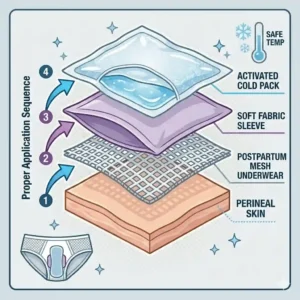
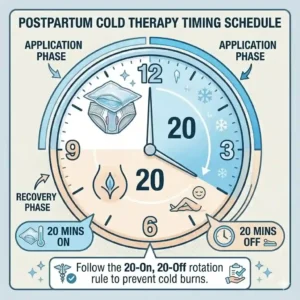
Optimization Trick: Never place a frozen pack directly against bare, torn skin. Always ensure the product has a built-in soft layer or use a witch hazel liner. Apply for 20 minutes on, and at least 40 minutes off. Continuous icing restricts blood flow too much, which can actually delay cellular repair.
Days 4 to 14 (Sub-Acute Phase):
As bleeding transitions to lighter lochia, bulky instant pads become uncomfortable and expensive. This is when you switch to reusable gel packs (like Lansinoh or Pariday).
-
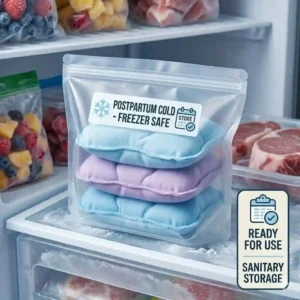
Maintenance Hack: Dedicate a specific, clean plastic container in your freezer just for your gel packs to maintain hygiene and prevent them from absorbing food odors. Wash your fabric sleeves in hot water with a fragrance-free detergent to prevent bacterial growth.
Months 2 to 12 (The Long Tail of Recovery):
Postpartum doesn’t end at six weeks. Around month three or four, as physical activity increases, you may experience pelvic floor aching. At this stage, use the flexible gel packs warm to relax tight pelvic muscles, or use them as a comforting hack for clogged milk ducts during weaning.
👥 Real-World Case Studies: Matching Product to Parent
No two births are identical. The ‘perfect’ product can fail entirely if mismatched with the wrong biological scenario. Here are three distinct user profiles and the exact protocol I recommend.
Profile A: The Medically Complex Vaginal Delivery
-
Scenario: A first-time mother with a 3rd-degree episiotomy, significant hemorrhoids, and heavy day-two bleeding.
-
The Match: Start with Medline Perineal Packs for the first four days. The sheer volume of absorbency is required. After day five, pivot strictly to the Pariday TendHer packs. The ultra-soft microfiber sleeves are critical here; rougher materials can snag on dissolving stitches, causing severe discomfort.
Profile B: The Planned Cesarean Section
-
Scenario: A parent recovering from major abdominal surgery with virtually zero perineal trauma but moderate postpartum bleeding.
-
The Match: Frida Mom pads are an absolute waste of money here—the anti-recommendation logic stands. Instead, buy cheap, high-absorbency drugstore maternity pads for the bleeding, and invest in the Magic Gel Postpartum packs. Lay the flat, dense gel packs directly over the C-section binder to soothe the inflamed surgical site.
Profile C: The Active “Toddler Mom” (Subsequent Pregnancy)
-
Scenario: A second-time parent experiencing intense “afterpains” (uterine cramping) and managing a chaotic household.
-
The Match: Lansinoh TheraPearl. This parent needs versatility. They can microwave the pearl pack to lay across their abdomen while nursing to soothe intense afterpains, then freeze it later for mild perineal swelling.
⚖️ Reusable Gel Packs vs. Instant Cold Pads
To make an informed decision, you must understand the engineering differences between these two fundamentally different tools.
| Feature | Instant Cold Pads | Reusable Gel Packs |
| Activation Method | Chemical (Ammonium Nitrate + Water) | Thermal (Freezer / Microwave) |
| Absorbency | High (Doubles as a maxi pad) | Zero (Requires separate pad) |
| Cost Per Use | High ($2.50 – $4.00 per use) | Extremely Low (Pennies per use) |
| Mobility | Travel-friendly, no prep needed | Confined to locations with freezers |
| Best Phase | Days 1 – 4 | Days 5 – 6 Weeks |
Looking at the comparison table, it is clear that instant cold pads are a short-term, high-convenience luxury, while reusable gel packs represent an investment in long-term pelvic health. For the average birth, relying solely on instant pads will cost upwards of $100 in the first week alone. The smartest financial and medical strategy is a hybrid approach: buy one pack of instant pads for the hospital, and one set of reusables for the home.
🧠 How to Choose the Right Postpartum Cold Therapy
If you are building your registry, do not just throw random items into the cart. Follow this 5-step decision framework based on clinical priorities:
-
Assess Your Delivery Plan: If you are planning a vaginal delivery, prioritize absorbency integrated with cold therapy. If planning a C-section, prioritize surface area and flexibility.
-
Evaluate the Material Interface: Look closely at what touches your skin. Plastic casing can cause micro-abrasions on swollen tissue. Ensure the product has an integrated cotton-blend top sheet or comes with washable microfiber sleeves.
-
Check the Temperature Duration: More is not always better. A pack that stays ice-cold for an hour is medically dangerous. Look for products engineered to naturally warm up after 20-30 minutes to enforce safe icing protocols.
-
Consider the Profile/Thickness: A pad that is three inches thick might absorb a lot, but it will force your hips into an unnatural tilt when sitting, leading to lower back pain. Slimmer profiles are mandatory for sitting down to nurse.
-
Look for Multi-Symptom Utility: Can the product be heated? Can it be used for breast engorgement? Products with dual-temperature capabilities offer significantly better ROI.
🚫 Common Mistakes When Buying Postpartum Relief Products
In my consultations, I see the same traps repeatedly. Here is my expert commentary on pitfalls to avoid.
Mistake 1: Ignoring the “Padsicle” Factor.
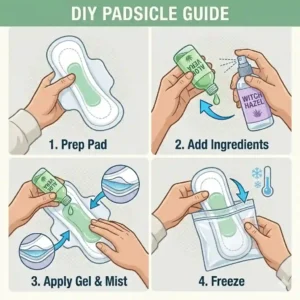
Many blogs recommend making DIY “padsicles” (freezing water/witch hazel on standard pads). While budget-friendly, the frozen water creates rigid ice crystals that feel like sitting on crushed glass. Purpose-built gel or chemical packs remain pliable. The spec sheet won’t tell you this, but the pliability of commercial gel prevents localized pressure points on torn tissue.
Mistake 2: Buying Too Small.
A standard 4-inch square gel pack meant for a bruised knee is useless for postpartum care. Postpartum packs must be at least 10 inches long to cover the entire perineal area from the clitoris to the anus, as swelling is rarely localized to just one spot.
Mistake 3: Forgetting the Hygiene Logistics.
Buying a reusable pack without removable, washable sleeves means you are wiping lochia off a plastic pouch with soap and water multiple times a day. When you are severely sleep-deprived, this manual labor is intolerable. Always buy reusables with machine-washable slipcovers.
📉 Long-Term Cost & Maintenance Cycle
Let’s calculate the ‘Total Cost of Ownership’ and address the maintenance cycle.
If you use instant ice packs (like Frida Mom) exclusively for the first two weeks, changing them four times a day, you will run through roughly 56 pads. At roughly $3 per pad, you are looking at nearly $170.
Conversely, purchasing one box of instant pads for the hospital ($25) and one premium set of reusable gel packs for home ($25) brings your total investment to just $50.
The Maintenance Roadmap:
-
Week 1-2: Wash reusable sleeves daily. Do not put the gel packs themselves in the washing machine; wipe them with an alcohol swab between uses.
-
Month 3: Inspect the seams of your gel packs. Repeated freezing and body weight can stress the medical-grade film. If you see micro-tears, discard them immediately to prevent non-toxic but sticky gel from leaking onto your clothing.
-
Month 6+: Wash and dry the sleeves completely, place the gel packs in a Ziploc bag, and store them in the medicine cabinet. They are now excellent fever reducers for your growing infant.
⚙️ Features That Actually Matter (And Those That Don’t)
Marketing hype in the maternal care space is incredibly aggressive. Here is an expert filtering of what you should actually care about.
Feature That Matters: Anatomical Tapering.
Straight, rectangular pads bunch up in the center, causing painful friction against the inner thighs. Tapered designs (wider at the back, narrower at the front) are structurally superior for human anatomy.
Feature That Matters: Color-Changing Tech.
As seen in Lansinoh models, visual temperature indicators prevent you from accidentally microwaving a pack until it is dangerously hot, protecting delicate tissues from thermal burns.
Feature That Doesn’t Matter: Added Fragrances or Botanicals.
Some instant pads boast “infused lavender or chamomile.” In practice, synthetic fragrances on broken, stitched mucosal tissue are a recipe for contact dermatitis. Stick to unscented, plain cold therapy and leave the botanicals to separate sterile witch hazel wipes.
🛡️ Safety / Regulations / Compliance Guide
While ice packs are generally safe, they are technically medical devices and require careful handling.
-
Maximum Application Time: Never exceed 20 minutes of continuous cold application. The biological reason? After 20 minutes, a phenomenon called the “hunting response” occurs, where the body rapidly dilates blood vessels to warm the freezing tissue, causing a sudden, painful rush of swelling—the exact opposite of what you want.
-
Storage Safety: Keep chemical instant packs strictly out of reach of toddlers. If a toddler bites into an unactivated ammonium nitrate pouch, it is a poison control emergency.
-
Infection Control: Never share reusable gel packs with another person, even if they have been washed. Postpartum wounds are highly susceptible to bacterial transmission.
✨ Don’t Miss These Exclusive Deals!
🔍 Ready to build the ultimate hospital bag? Click on the products highlighted throughout this guide to check availability. Stock up early so you can focus entirely on your new baby when the time comes!
🏁 Conclusion
Navigating the immediate aftermath of childbirth is a profound physical and emotional challenge. Your body has performed an athletic miracle, and it requires specialized, intentional care to heal. Investing in the right ice packs for after birth is not a luxury; it is a fundamental pillar of postpartum recovery.
By understanding the difference between the acute, heavy-bleeding phase (where instant packs like the Frida Mom or Medline shine) and the longer sub-acute healing phase (where Lansinoh and Pariday reusables offer immense value), you can build a recovery station that actually meets your biological needs. Avoid the common mistakes of over-icing, neglecting hygiene, or buying inadequate sizes. Instead, focus on the practical, therapeutic tools we have analyzed today. Remember, taking care of your newborn starts with taking care of yourself.
❓ FAQs
❓ What is ice packs for after birth used for exactly?
✅ They are specialized thermal tools used to reduce perineal or abdominal swelling, numb acute pain from tearing or incisions, and manage postpartum bleeding. They promote healing by restricting blood flow to inflamed tissues immediately following delivery…
❓ How long should I use postpartum cold packs?
✅ For the best therapeutic results, apply the cold pack for 20 minutes at a time, followed by at least 40 minutes of rest. Continue this rotation for the first 48 to 72 hours, or until acute swelling subsides…
❓ Can I sleep with a postpartum ice pack on?
✅ No, you should never sleep with an active ice pack. Leaving cold therapy on delicate tissue for hours can restrict vital blood flow, delay tissue regeneration, and potentially cause frostbite or nerve damage on the perineum…
❓ Are instant cold pads safe for C-section recovery?
✅ While safe, they aren’t the most efficient. Instant pads are designed to absorb vaginal bleeding. For C-sections, flat, reusable gel packs laid gently over the binder provide better surface area coverage for the transverse abdominal incision…
❓ How do I transition from cold to hot therapy?
✅ Stick to cold therapy for the first 3 days to fight inflammation. After day 4, if you are experiencing muscle aching or uterine cramping (afterpains), you can safely transition to warm, microwavable gel packs to promote muscle relaxation…
📖 Recommended for You
- Body Cleansing Wipes After Surgery: 7 Best Options for Safe & Gentle Recovery
- 5 Best frida mom grippy socks & Alternatives for 2026 Hospital Bags
- 5 Best postpartum essentials kit Options for 2026 (Expert Tested)
Disclaimer: This article contains affiliate links. As an Amazon Associate, I earn from qualifying purchases. If you purchase products through these links, we may earn a small commission at no additional cost to you.
✨ Found this helpful? Share it with your friends! 💬🤗
[addtoany]
