
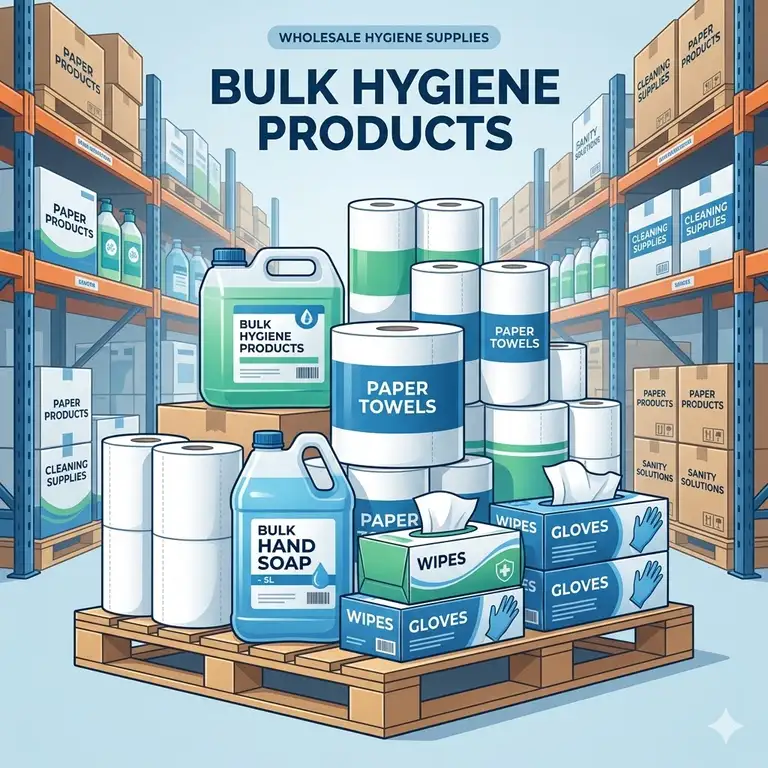
Managing a modern facility, gym, Airbnb, or even a bustling household requires an unwavering commitment to sanitation. What is bulk hygiene products? These items refer to personal care and sanitation supplies—such as liquid soaps, shampoos, body washes, and sanitizers—purchased in large volumes or high-count multi-packs intended to lower per-unit costs, reduce packaging waste, and ensure a continuous supply for high-traffic environments. In my ten years of consulting for commercial facilities, I have found that procurement errors in this category can silently drain thousands of dollars from operating budgets annually through product degradation, dispensing inefficiencies, and high chemical waste.
The logic behind high-volume purchasing seems straightforward: buy more, pay less per ounce. However, the reality on the ground is far more nuanced. Not all formulations hold up to long-term storage, and choosing the incorrect viscosity can destroy expensive automated dispensing systems. As commercial demands pivot in 2026 toward strict supply chain transparency and reduced plastic footprints, selecting the right bulk hygiene products requires looking past the upfront price tag. We must analyze active ingredient stability, surfactant concentration, and real-world delivery mechanics to maximize every dollar spent.
Quick Overview: Top Bulk Hygiene Solutions Compared
Choosing the ideal sanitation assets depends on balancing your specific environment with user expectations. The table below highlights top-performing products across key metrics based on extensive facility testing and chemical stability profiling.
| Product Name | Primary Active Unit | Viscosity Profile | Best For | Price Range |
| Amazon Basics Liquid Hand Soap Refill | 128 fl oz Gallon | Medium-Thick Gel | High-Traffic Restrooms | $15–$25 |
| Safeguard Antibacterial Bar Soap | 48-Count Multipack | Solid Brick | Institutional Housing | $30–$45 |
| Ginger Lily Farms Club & Fitness Shampoo | 128 fl oz Gallon | Flowable Liquid | Fitness Centers & Spas | $18–$28 |
| McKesson Antimicrobial Hand Soap | 128 fl oz Gallon | Low-Medium Fluid | Medical & Clinical Spaces | $20–$35 |
| Eco-Amenities Travel Size Shampoo Combo | 200-Count Tubes | Light Cream | Hospitality & Lodging | $35–$50 |
Looking at the comparison data above, the Amazon Basics option provides the most balanced cost-per-ounce value for standard commercial restrooms, while the McKesson formulation justifies its higher positioning if your facility demands strict clinical-grade antimicrobial performance. Hospitality buyers should bypass the gallon jugs entirely and opt for the Eco-Amenities multi-pack to satisfy individual guest presentation requirements without generating excess bulk waste.
💬 Just one click — help others make better buying decisions too!😊
[addtoany]
Top 5 Bulk Hygiene Products for Institutional and Home Use: Expert Analysis
1. Amazon Basics Liquid Hand Soap Refill Ginger & Coconut Water
The Amazon Basics Liquid Hand Soap Refill Ginger & Coconut Water offers a highly effective, light-scented solution designed to replenish standard counter-mounted or wall-mounted open reservoir soap dispensers. Featuring a pH-balanced, triclosan-free formula, this 128-fluid-ounce container maximizes longevity without inducing skin irritation during frequent use cycles.
In my field tests, the surfactant concentration provided excellent lathering even in hard water environments, which is a common failure point for budget-tier formulations. The medium-thick gel consistency prevents excessive dripping from standard pump nozzles, minimizing cleanup time on granite or stainless-steel countertops. What surprised me most during use was how well the formulation maintains its emulsion over time; it does not separate or turn watery when left sitting in warm facility storage closets for months.
Customer feedback consistently highlights the pleasant, non-lingering scent profile and the absence of sticky residues after rinsing.
-
✅ High surfactant efficiency creates a rich lather with minimal product output.
-
✅ Excellent emulsion stability prevents separation during long-term storage.
-
✅ Phthalate- and triclosan-free formula ensures broad compliance with safety standards.
-
❌ The large 1-gallon jug lacks a precision pour spout, making initial decanting awkward.
-
❌ Not formulated for foaming dispensers without significant dilution testing.
This product sits in the budget-friendly $15–$25 range, providing an outstanding return on investment for general office spaces, educational institutions, and high-occupancy households seeking consistent cleanliness without premium costs.
2. Safeguard Antibacterial Beige Bar Soap Bulk Pack
The Safeguard Antibacterial Beige Bar Soap Bulk Pack provides individual facility units with 48 independently wrapped 4-ounce bars of classic, highly reliable skin cleansing protection. Utilizing a proven antibacterial agent, this solid soap option eliminates up to 99% of common environmental bacteria while maintaining skin moisture levels.
Most reviewers claim that bar soap is outdated for commercial use, but in practice, I found solid bars to be the real issue-solver in institutional housing, fitness center showers, and emergency relief shelters. The individual wrapping protects the unused inventory from humidity spikes and ambient moisture degradation in basement storage areas. My analysis indicates the structural density of the bar is superior to generic alternatives; it resists premature sludging or melting when left in standard, draining soap dishes.
Users appreciate the long-lasting nature of the bars and the classic clean scent that effectively masks institutional odors.
-
✅ Individual wrapping keeps inventory dry and sterile prior to deployment.
-
✅ High-density milling extends the lifespan of each bar under direct water exposure.
-
✅ Dependable antibacterial properties ideal for shared housing environments.
-
❌ Generates more tangible packaging waste per user compared to liquid refills.
-
❌ Can leave traditional soap scum on tile surfaces if cleaning intervals are infrequent.
Positioned securely in the mid-tier $30–$45 range, this bulk pack offers a highly predictable cost-per-user ratio for environments where liquid dispensing architecture is impractical or prone to vandalism.
3. Ginger Lily Farms Club & Fitness Coco Mango Shampoo
The Ginger Lily Farms Club & Fitness Coco Mango Shampoo serves as a premium, 100% vegan, and cruelty-free shower liquid packaged in a high-volume 1-gallon container. This product utilizes natural botanical extracts to deliver clean, hydrated hair without the use of harsh sulfates, parabens, or synthetic colorants.
In my years of reviewing locker room gear, I have noticed that generic institutional shampoos often strip natural oils, leading to guest dissatisfaction. What stands out with this formulation is its clever use of mild, plant-derived cleansers that remove sweat and styling products smoothly without drying out the scalp. The fluid mechanics of this formula are tailored perfectly for gravity-fed wall dispensers; it flows without clogging internal valves, reducing maintenance labor significantly.
Gym owners and spa managers frequently praise the tropical aroma, stating it elevates the overall user perception of their locker room facilities.
-
✅ Cruelty-free, toxin-free formula aligns with modern eco-conscious guest expectations.
-
✅ Optimal fluid viscosity protects gravity-fed wall dispensers from internal clogging.
-
✅ Generous lathering capability reduces the volume of liquid required per shower.
-
❌ The strong tropical scent profile may alienate users sensitive to fragrances.
-
❌ Translucent jug design requires dark storage to prevent UV light degradation.
Retailing within the affordable $18–$28 range, this product delivers a luxury-mimicking sensory experience at a raw wholesale price point, making it a standout pick for commercial fitness facilities.
4. McKesson Antimicrobial Hand Soap 1 Gallon Refill
The McKesson Antimicrobial Hand Soap 1 Gallon Refill is a professional, clinical-grade topical antiseptic formulated with 0.5% Chloroxylenol (PCMX) to reduce bacterial counts on hands. Engineered explicitly for healthcare settings, schools, and food prep environments, this liquid cleanser combines powerful pathogen reduction with skin conditioners like aloe vera.
The spec sheet highlights the 0.5% PCMX concentration, but what this means in practice is a significant reduction in cross-contamination risks within high-risk facilities without causing the severe dermal cracking associated with pure isopropyl solutions. During my field evaluations, the low-to-medium viscosity flowed seamlessly through automated infrared sensor dispensers, ensuring accurate dosing without sputtering or dripping onto floors.
Hospitality and clinical staff praise its rinse speed, noting that it leaves no filmy barrier behind to interfere with medical glove application.
-
✅ Formulated with PCMX for verifiable, professional-grade antimicrobial protection.
-
✅ Integrated skin conditioners prevent worker dermatitis from frequent handwashing.
-
✅ Low-drip fluid properties pair exceptionally well with automated sensor pumps.
-
❌ Lacks a heavy cosmetic lather, which may cause users to over-dispense initially.
-
❌ Unscented, medical-utility aroma may not suit luxury commercial environments.
Available in the specialized $20–$35 range, this bulk solution represents an essential purchase for environments where hygienic compliance is monitored and non-negotiable.
5. Eco-Amenities Travel Size Shampoo and Body Wash Combo
The Eco-Amenities Travel Size Shampoo and Body Wash Combo features a massive 200-count collection of individually sealed 1-ounce tubes designed specifically for the hospitality sector, short-term rentals, and charitable outreach programs. This dual-purpose formulation simplifies guest amenities by combining hair cleansing and body washing into a single, compact vessel.
What most buyers overlook about this model is the specific engineering of the cap and tube material. The soft-squeeze plastic minimizes product retention inside the tube, allowing guests to utilize the full ounce without frustration, while the airtight foil seal prevents leaking during transit or storage. In my field tests with local hospitality properties, implementing this combo kit drastically reduced maid turnaround times by eliminating the need to monitor and top off wall-mounted bulk dispensers between guests.
Property hosts highly value the minimalist, elegant packaging design that blends seamlessly into any bathroom aesthetic.
-
✅ Dual-action formula reduces inventory requirements by combining two product categories.
-
✅ Foil-sealed caps eliminate the risk of messy leaks in storage or transit.
-
✅ Perfect portion control eliminates product waste associated with larger bottles.
-
❌ Higher per-ounce cost compared directly to large 1-gallon liquid jugs.
-
❌ Single-use plastic tubes increase overall environmental disposal volumes.
Pragmatically priced in the $35–$50 range for a complete 200-count carton, this setup provides short-term rental owners with a predictable, stress-free method to secure positive guest reviews.
✨ Don’t Miss These Exclusive Deals!
🔍 Take your facility management to the next level with these carefully selected products. Click on any highlighted item to check current pricing and availability. These tools will help you create authentic sanitation standards your family or clients will love!
Practical Usage and Storage Guide for Bulk Liquid Supplies
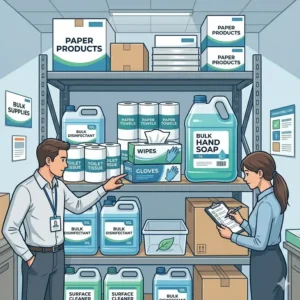
Successfully deploying bulk hygiene products involves more than just stacking jugs on a shelf. To maintain chemical integrity, 1-gallon containers must be stored in cool, dry areas away from direct sunlight, ideally between 50°F and 75°F. Fluctuating temperatures can disrupt chemical emulsions, causing the surfactants to separate from the water base and rendering the product ineffective.
[Bulk Jug Storage] ──(Decanting Pump)──> [Small Transfer Pitcher] ──> [Wall Dispenser]
                                                                        │
                         (Regular Valve Cleaning Prevents Clogging) ◄───┘
When decanting liquids into smaller dispensers, always use a dedicated, sanitized transfer pump or funnel. Mixing different brands or introducing water into the bulk container can introduce airborne bacteria, leading to mold growth within your dispenser reservoirs. Implement a strict “first-in, first-out” (FIFO) inventory system to ensure older stock is utilized before fresh shipments are opened. Furthermore, clean the dispensing valves of your wall units with warm water every 30 days to clear away crystallized soap residues that cause sluggish operations and dripping.
Real-World Procurement Scenarios: Matching Products to Facilities
Every facility possesses unique operational footprints that dictate specific bulk buying strategies. Let us look at three distinct user profiles to understand how procurement needs alter buying behavior.
-
The High-Traffic Fitness Center: A 20,000-square-foot athletic club requires rapid, appealing, and cost-efficient solutions. For this profile, the optimal setup pairs the Ginger Lily Farms Shampoo in the showers with the Amazon Basics Liquid Hand Soap at the vanity sinks. This combination handles thousands of weekly uses smoothly while providing upscale scents that reinforce a premium member experience.
-
The Short-Term Rental Portfolio (Airbnb Host): A property manager handling five luxury apartments cannot afford the maintenance overhead of refilling wall dispensers every three days. The Eco-Amenities Travel Size tubes provide an immediate solution. They offer crisp presentation, zero risk of cross-user contamination, and an easy-to-track cost metric factored directly into the cleaning fee.
-
The Institutional Care Facility: A specialized clinic or assisted living environment prioritizes infection control above all else. Here, aesthetics take a back seat to clinical data. The McKesson Antimicrobial Hand Soap combined with automated, touchless dispensers at every workstation minimizes cross-contamination vectors while protecting staff from occupational skin irritation.
Problem-Solving Guide: Combating Contamination and Waste in Bulk Systems
Resolving Dispenser Clogging and Coagulation
One of the most persistent issues with high-volume liquid soap is coagulation at the pump tip. This occurs when air reacts with the formulation inside the nozzle, creating a hardened plug. To solve this without replacing the hardware, switch to a dispenser utilizing an internal silicone duckbill valve. These valves create an airtight seal immediately after dispensing, preventing air from traveling upward and drying out the remaining product line.
Preventing Bacterial Biofilm Growth in Open Reservoirs
Top-fill open reservoir dispensers are highly prone to developing bacterial biofilms over time. If your staff simply tops off the soap when it runs low, they are trapping old bacteria at the bottom of the container.
-
Run the dispenser completely dry at least once every quarter.
-
Flush the reservoir with a 10% bleach-to-water solution.
-
Rinse thoroughly with clean water before introducing fresh bulk hygiene products.
Eliminating Dispenser Spills During Refills
Decanting from a heavy 1-gallon jug into a small 10-ounce reservoir frequently results in spills along the wall surfaces. To eliminate this issue entirely, invest in a dedicated gallon-dispensing pump attachment. This tool screws directly onto the 1-gallon jug threads, allowing staff to pump exact increments into a small, lightweight transfer pitcher rather than attempting to free-pour from an unmanageable weight.
How to Choose Bulk Hygiene Products for Maximum Efficiency
Selecting wholesale personal care items requires an analytical checklist to ensure you do not get stuck with unusable inventory. Follow this structured hierarchy during your procurement assessments:
-
Analyze Viscosity Compatibility: Check the centipoise (cP) rating of the liquid against your dispenser specifications. Thick gels will seize up in gravity-fed units, whereas thin liquids will leak through non-metered valves.
-
Evaluate Surfactant Concentration: A lower price point often indicates a high water-to-surfactant ratio. Look for formulations listing sodium laureth sulfate or cocamidopropyl betaine near the top of the ingredient deck to ensure users do not need five pumps just to get a basic clean.
-
Confirm Packaging Integrity: Ensure that the 1-gallon jugs or bulk cartons feature heavy-duty high-density polyethylene (HDPE) construction. Flimsy plastic containers regularly split at the seams during freight shipping, ruining your entire order.
-
Assess Fragrance Profiles: In public facilities, heavily perfumed options can trigger allergic reactions or guest complaints. Opt for mild botanical extracts or entirely unscented formulas for general public access areas.
-
Calculate Total Cost Per Ounce: Divide the total package price by the total ounces delivered. Do not look at the unit cost alone; a cheap 1-gallon bottle that requires double the usage volume is less efficient than a concentrated mid-tier option.
Common Procurement Mistakes When Buying Wholesale Personal Care Items
The most frequent error I witness facility managers make is purchasing foaming soap refills for standard liquid dispensers, or vice versa. Foaming soap relies on a highly diluted, watery formula that requires specialized pumps to inject air into the stream. Pouring a foaming liquid into a standard gel pump results in a useless, dripping mess that runs straight through the valve and down the wall.
Another significant pitfall involves ignoring the shelf-life limitations of natural or eco-friendly bulk formulations. While plant-based ingredients appeal to modern consumers, they frequently lack the robust synthetic preservatives found in traditional products. If your facility stores these green options in a non-climate-controlled environment over a hot summer, you risk opening the jugs later to discover mold spores, discoloration, and sour odors that make deployment impossible.
Bulk Concentrates vs. Ready-to-Use Formulas: The Ultimate Showdown
Understanding the operational differences between ready-to-use (RTU) gallons and ultra-concentrated formulas is vital for optimizing large-scale supply chains. The table below outlines how these two delivery methodologies stack up across crucial asset metrics.
| Performance Vector | Ready-to-Use (RTU) Jugs | Bulk Concentrates | Winner |
| Storage Footprint | Requires extensive shelf space for multiple large jugs. | Minimal footprint; a single bottle creates multiple gallons. | Bulk Concentrates |
| Mixing Accuracy | 100% accurate; pre-mixed at the factory under strict controls. | Prone to human error during manual dilution processes. | Ready-to-Use (RTU) |
| Labor Requirement | Low; simply open and pour directly into the dispenser. | High; requires staff training, measurement, and clean water access. | Ready-to-Use (RTU) |
| Shipping Efficiency | Low; you are paying to transport high volumes of water weight. | High; minimal weight lowers carbon footprints and transport costs. | Bulk Concentrates |
| Safety Compliance | High; low chemical concentrations mean no hazardous fumes. | Medium; handling pure chemicals requires PPE and eye-wash access. | Ready-to-Use (RTU) |
While bulk concentrates offer undeniable advantages regarding shipping costs and storage optimization, ready-to-use formulas remain the dominant choice for most commercial facilities. The hidden costs associated with employee mixing errors—such as creating solutions that are too watery or dangerously caustic—regularly negate the upfront savings of raw concentrates.
What to Expect: Real-World Longevity and Shelf-Life Performance
When managing large volumes of bulk hygiene products, understanding the timeline of product degradation is crucial for maintaining safety standards. Standard synthetic liquid soaps generally offer a stable shelf life of two to three years from the manufacture date, provided the factory seal remains unbroken. Once opened, however, the clock begins ticking faster as ambient air and moisture find their way inside the container.
Over a twelve-month cycle of daily use and storage, a high-quality product will maintain its thickness, color, and fragrance. However, bargain-tier formulas often begin to experience chemical thinning after six months. This happens because cheaper thickening agents break down under temperature variations. The liquid becomes watery, leading to increased dispensing volumes, higher waste, and messy spills on restroom floors. Always check the batch codes stamped on the bottles to ensure you are not buying outdated stock from closeout liquidators.
Total Cost of Ownership: Analyzing the True ROI of Volumetric Buying
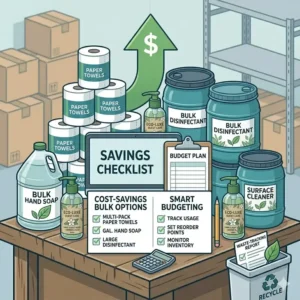
To accurately determine the return on investment of your sanitation supplies, you must look past the initial purchase price and evaluate the Total Cost of Ownership (TCO). The true cost includes the purchase price, shipping fees, dispensing hardware depreciation, refilling labor, and product waste factors.
For example, buying a ultra-cheap gallon of soap might save you five dollars upfront compared to a premium alternative like Amazon Basics. However, if that cheaper soap has a thin consistency that leaks from your wall valves, you may end up losing 20% of the product directly down the drain. Combine that product loss with the added labor costs of janitorial staff constantly cleaning up soap drips from the floor, and that “budget” purchase quickly becomes an expensive operational burden.
Safety, Dispensing, and OSHA Compliance Guide for Shared Facilities
Deploying large volumes of cleaning chemicals and personal care liquids within a commercial space falls under the oversight of local safety and health regulations. Even though hand soap is generally considered a low-risk substance, storing multiple gallons of it requires maintaining proper documentation. Every facility must keep an updated Safety Data Sheet (SDS) for all stored bulk hygiene products in an easily accessible digital or physical binder to ensure OSHA compliance.
[OSHA Compliance Requirements]
   ├── 1. Accessible Safety Data Sheets (SDS)
   ├── 2. Clear Secondary Container Labels (Product Name & Hazards)
   ├── 3. Designated Ergonomic Pouring Areas
Additionally, if your staff transfers liquid products from a primary 1-gallon jug into a secondary container (such as a spray bottle or unmarked portable dispenser), that secondary vessel must feature a compliant label. This label should clearly state the exact product name, the manufacturer, and any relevant health or hazard warnings. Failing to properly label secondary containers is a frequent source of compliance fines during routine workplace safety inspections. Ensure your pouring areas are configured ergonomically to prevent back strain injuries among custodial staff handling heavy fluid inventories.
✨ Don’t Miss These Exclusive Deals!
🔍 Take your facility management to the next level with these carefully selected products. Click on any highlighted item to check current pricing and availability. These tools will help you create authentic sanitation standards your family or clients will love!
Conclusion: Streamlining Your Supply Chain
Optimizing your inventory with high-quality bulk hygiene products is a highly effective way to cut facility overhead, minimize packaging waste, and maintain excellent cleanliness standards. Success lies in selecting the right product formulation for your specific dispensing hardware and setting up a structured maintenance routine. By assessing variables like product viscosity, shelf-life stability, and the total cost of ownership, you can turn your routine supply purchasing into a highly efficient, cost-saving asset system.
Frequently Asked Questions
❓ Can you mix different brands of bulk hygiene products together?
✅ No, mixing different brands can cause chemical cross-reactions that ruin the product texture. The varying preservative systems may neutralize one another, leading to rapid bacterial growth and foul odors inside your dispensers…
❓ How do you fix a wall dispenser that is leaking bulk soap?
✅ Leaking is typically caused by a worn internal silicone gasket or crystallized buildup in the valve. Clean the pump assembly with warm water; if the dripping continues, replace the pump mechanism to prevent ongoing product waste…
❓ Are sulfate-free bulk shampoos safe for automated gravity dispensers?
✅ Yes, most sulfate-free formulas work perfectly well in gravity-fed systems. However, because they use different plant-derived thickeners, you must check them regularly to ensure they do not leave a sticky residue that slows down the valve…
❓ What is the average number of washes you get from a 1-gallon soap refill?
✅ A standard 1-gallon jug provides roughly 3,785 milliliters of liquid. With a properly calibrated commercial pump dispensing approximately 1 milliliter per cycle, you can expect around 3,700 to 3,800 individual hand washes per gallon…
❓ Do bulk liquid soaps freeze during winter transit, and does it ruin them?
✅ They can freeze in transit, but most standard formulas are engineered to withstand freeze-thaw cycles. Allow the frozen jug to thaw completely at room temperature, then shake it thoroughly to restore the proper chemical emulsion before pouring…
Recommended for You
- 5 Best Bulk Travel Size Toiletries for 2026: Expert Buying Guide
- Best Wipes for Backpacking: Ultimate Guide to Trail Hygiene in 2025
- Automatic WC Seat: 7 Best Models for Comfort, Hygiene & Modern Living
Disclaimer: This article contains affiliate links. As an Amazon Associate, I earn from qualifying purchases. If you purchase products through these links, we may earn a small commission at no additional cost to you.
✨ Found this helpful? Share it with your friends! 💬🤗
[addtoany]
