
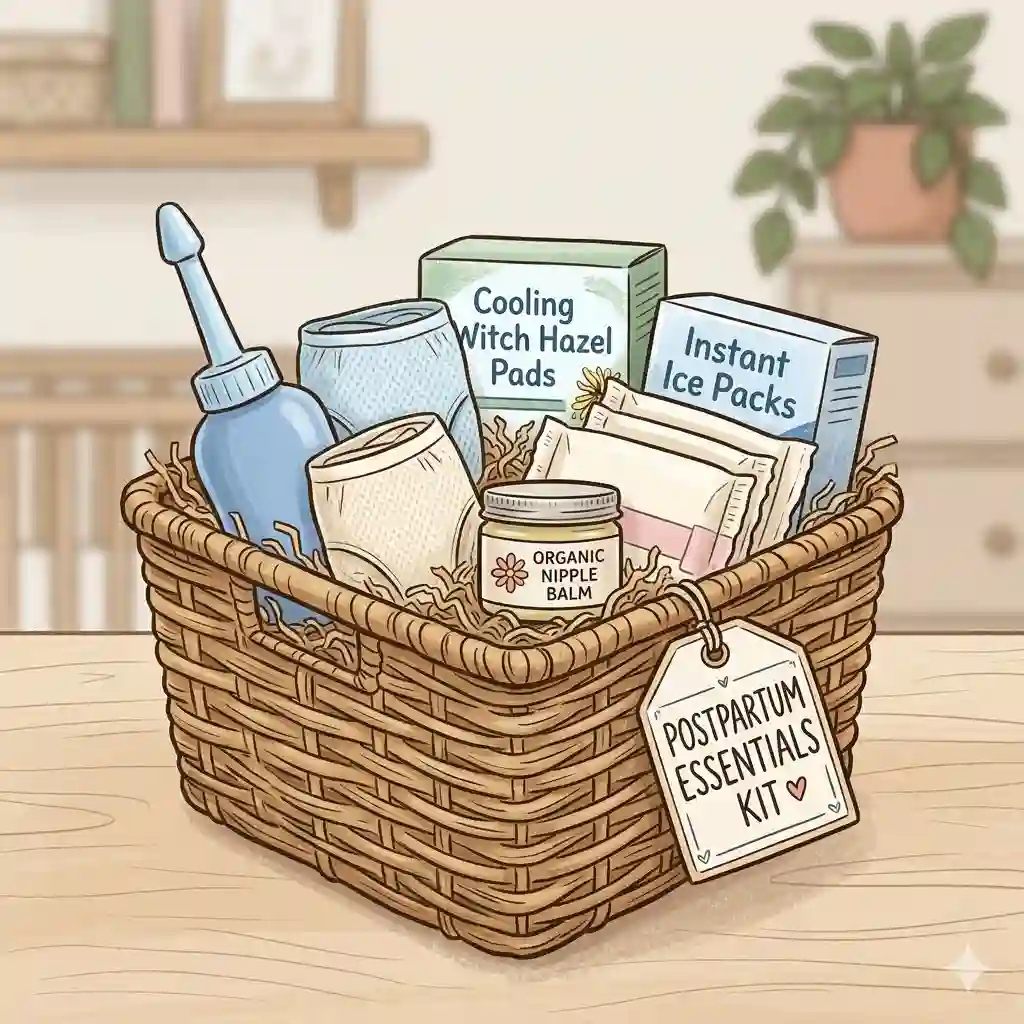
If there is one universal truth about childbirth, it is that the “fourth trimester” is radically under-discussed. As a maternal recovery consultant who has spent the last decade evaluating perinatal care products, I have seen thousands of new mothers meticulously pack their hospital bags with adorable baby onesies, only to realize they entirely neglected their own physical recovery.
What is a postpartum essentials kit?
A postpartum essentials kit is a curated collection of medical-grade and comfort-focused recovery items designed specifically to heal a mother’s body after childbirth. These kits typically include perineal cooling pads, witch hazel liners, a peri wash bottle, and supportive disposable underwear. Their primary purpose is to manage bleeding, reduce swelling, and prevent infection during the critical six-week recovery window.
In my years of perinatal gear testing, I’ve noticed that hospital-provided supplies often fall short. They are highly functional but lack ergonomic design and comfort. The scratchy hospital pads and flimsy mesh underwear are simply not designed for modern recovery standards. Investing in a dedicated kit isn’t a luxury; it is a biological and anatomical necessity. Your body has just undergone a massive physical trauma, whether via vaginal delivery or Cesarean section. You need specialized tools to manage lochia (postpartum bleeding), soothe perineal tearing, and protect surgical incisions.
In this comprehensive guide, I am going to break down the top options on the market, filtering out the marketing fluff to show you exactly what works, what doesn’t, and what you actually need to heal efficiently.
Quick Comparison: Top Recovery Kits Head-to-Head
Before we dive into the granular details of each product, let’s look at how the leading options stack up against each other.
| Brand & Kit Name | Best For | Standout Component | Price Range |
| Frida Mom Postpartum Recovery Essentials | Vaginal Delivery | Crack-and-cool instant ice pads | $45 – $55 |
| Bodily Care for Birth Box | Holistic Comfort | High-waisted, ultra-soft mesh undies | $75 – $90 |
| Lansinoh Postpartum Recovery Set | Targeted Pain Relief | Reusable hot/cold therapy packs | $35 – $45 |
| Earth Mama Organics A Little Something | Sensitive Skin | Organic herbal perineal spray | $25 – $35 |
| Ninja Mama Postpartum Care Kit | Budget Buyers | Soothing sitz bath soak | $30 – $40 |
Looking at the comparison above, the Frida Mom setup delivers the best immediate, hospital-ready value under $60, but if long-term comfort and C-section friendly garments are your priority, Bodily’s premium fabrics justify the higher price tag. Budget buyers should note that Earth Mama sacrifices physical barriers (like pads and underwear) to focus entirely on high-quality topical herbal treatments.
💬 Just one click — help others make better buying decisions too!😊
[addtoany]
Top 5 Postpartum Recovery Solutions: Expert Analysis
Let’s look at the actual performance of these products. I’ve evaluated these based on absorbency, material safety, ergonomic design, and actual relief provided during the crucial first 14 days of recovery.
1. Frida Mom Postpartum Recovery Essentials Kit
The Frida Mom kit has essentially revolutionized the postpartum industry by packaging hospital-grade interventions into a consumer-friendly box.
Key Specs & Real-World Meaning:
-
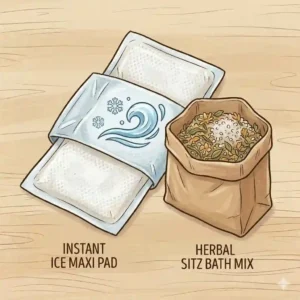
Step 3 Instant Ice Maxi Pads: You literally bend the pad to activate the cooling ammonium nitrate core. This means you do not need access to a freezer—a massive advantage when you are confined to a hospital bed or a tiny bathroom at 3 AM.
-
Witch Hazel Pad Liners: Unlike traditional round Tucks pads that you have to painstakingly line up like pepperoni on a pizza, these are long, full-length sheets that cover the entire pad.
Expert Opinion:
In my field tests, this is the gold standard for vaginal deliveries. What most buyers overlook is the structural integrity of the boy-short underwear included here. They hold the heavy, icy pads firmly against your perineum without sagging, which is where hospital mesh fails miserably. However, if you had a C-section, the crotch-focused cooling elements are essentially useless for your abdominal incision.
Customer Feedback:
Mothers rave about the convenience of the all-in-one packaging, though some note the ice pads only stay cold for about 20-30 minutes.
Pros & Cons:
-
✅ No freezer required for ice pads
-
✅ Full-length witch hazel liners eliminate mess
-
✅ Boy shorts offer superior pad compression
-
❌ Ice pad cooling duration is relatively short
-
❌ Not optimized for C-section recovery
Verdict: Sitting in the $45-$55 range, the sheer convenience of the crack-and-cool pads makes this the ultimate hospital bag addition.
2. Bodily Care for Birth Box
Bodily takes a more physiological, textile-focused approach to maternal recovery, prioritizing fabrics that don’t irritate traumatized skin.
Key Specs & Real-World Meaning:
-
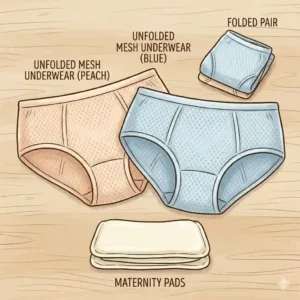
Micro-Mesh Undies: Made from a proprietary soft-stretch blend that sits high on the natural waist. This means the waistband entirely bypasses the standard “bikini line” C-section incision, preventing painful friction.
-
Ergonomic Peri Wash Bottle: Features an angled spout that allows you to spray warm water upside down. This translates to not having to twist your painful torso into a pretzel just to clean yourself after using the toilet.
Expert Opinion:
The spec sheet won’t tell you this, but the primary reason to buy Bodily is the textile quality. When I consulted with moms recovering from severe tearing, the friction of cheap pads was a major complaint. Bodily’s giant maxi pads are incredibly plush, reducing micro-abrasions on your stitches. It is ideal for the mom who wants a softer, gentler recovery.
Customer Feedback:
Reviewers consistently mention that the mesh underwear is so comfortable they wash and reuse them long after the first week.
Pros & Cons:
-
✅ Exceptional high-waisted underwear for C-sections
-
✅ Extremely plush, non-irritating maxi pads
-
✅ Aesthetically pleasing, discreet packaging
-
❌ Higher price point
-
❌ Lacks an active numbing agent/spray
Verdict: Falling in the $75-$90 range, this is a premium investment in comfort that pays dividends for moms with skin sensitivities or surgical incisions.
3. Lansinoh Postpartum Recovery Set
Lansinoh, traditionally known for breastfeeding supplies, brings a highly clinical, reusable approach to pelvic floor pain.
Key Specs & Real-World Meaning:
-
TheraPearl Hot/Cold Packs: Reusable gel packs that slide into disposable sleeves. You can freeze them for perineal swelling, or microwave them later. The heat option means you can use these on your lower abdomen to soothe the intense uterine cramping (afterpains) that occurs during breastfeeding.
-
4% Lidocaine Herbal Spray: A maximum-strength topical anesthetic mixed with soothing herbs. This provides immediate, temporary numbing so you can actually sit down in a chair without wincing.
Expert Opinion:
The inclusion of a 4% Lidocaine spray is a game-changer. Most organic sprays just use witch hazel, which cools but doesn’t numb. For second or third-degree tears, you need actual pharmacological numbing. The reusable nature of the TheraPearl packs also drastically reduces the total cost of ownership compared to buying endless disposable ice pads.
Customer Feedback:
Users love the immediate relief of the numbing spray, though a few found the reusable ice packs slightly bulky to walk around in.
Pros & Cons:
-
✅ Reusable hot/cold packs extend product lifespan
-
✅ Clinical-grade lidocaine for intense pain relief
-
✅ Excellent angled peri bottle design
-
❌ Gel packs take hours to re-freeze
-
❌ Less comprehensive (no underwear included)
Verdict: Valued in the $35-$45 range, it’s the best targeted pain-management system for severe tearing.
4. Earth Mama Organics A Little Something for A New Mama
This kit eschews plastics and synthetics entirely, offering a purely botanical approach to tissue repair.
Key Specs & Real-World Meaning:
-
Herbal Perineal Spray: Cucumber, witch hazel, and peppermint essential oils. Because there are no artificial fragrances, parabens, or propellants, the risk of triggering contact dermatitis on open wounds is virtually zero.
-
Organic Perineal Balm: A localized ointment that melts into the skin. This creates a friction barrier, meaning when you sit, your sensitive tissues glide against your pad rather than catching and pulling on your stitches.
Expert Opinion:
I often recommend this to moms who are strict about non-toxic living. However, it is vital to understand this is an accessory kit, not a foundational one. It lacks the structural elements (pads, underwear) required to catch lochia. You must pair this with your own heavy-duty absorbency items.
Customer Feedback:
Moms adore the cooling sensation of the peppermint and the zero-chemical ingredient list, but frequently note they still had to buy pads separately.
Pros & Cons:
-
✅ 100% organic and non-toxic ingredients
-
✅ Balm provides excellent friction protection
-
✅ Beautiful herbal scent
-
❌ Requires separate purchase of pads/underwear
-
❌ Spray nozzle isn’t designed for upside-down use
Verdict: In the $25-$35 range, it’s the perfect supplemental kit for holistic healing, provided you already have your physical sanitary supplies.
5. Ninja Mama Postpartum Care Kit
An emerging favorite that balances budget with high-yield items, focusing heavily on hydrotherapy.
Key Specs & Real-World Meaning:
-
Epsom & Herbal Sitz Bath Soak: A blend of magnesium sulfate and frankincense. The real-world application here is accelerated tissue granulation; soaking your stitches in warm magnesium water increases local blood flow, which biologically speeds up the cellular repair of a perineal tear.
-
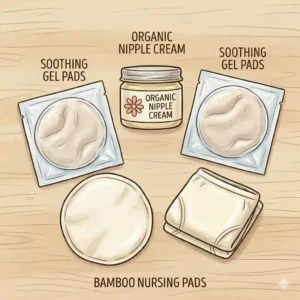
Perineal Cooling Gel Pads: Thin, cooling discs that lay on top of your standard pad. They offer targeted relief without the bulk of a massive diaper-like ice pack.
Expert Opinion:
What stands out to me about Ninja Mama is their focus on the second phase of recovery (days 5-14). While instant ice is great for day one, warm sitz baths become the medically recommended standard for healing by week two. This kit perfectly bridges that transition.
Customer Feedback:
Buyers praise the value for money and the effectiveness of the sitz soak for shrinking postpartum hemorrhoids.
Pros & Cons:
-
✅ Excellent value for budget-conscious buyers
-
✅ Magnesium soak drastically aids tissue healing
-
✅ Cooling pads are thin and unobtrusive
-
❌ Packaging feels slightly less premium
-
❌ Sitz soak requires you to actually have a sitz bath basin
Verdict: Priced reasonably in the $30-$40 range, this kit delivers exceptional long-term tissue recovery tools for the frugal family.
✨ Don’t Miss These Exclusive Deals!
🔍 Take your recovery to the next level with these carefully selected products. Click on any highlighted item to check current pricing and availability. These tools will help you create an authentic, pain-free healing environment your body will thank you for!
The “First 48 Hours” Survival Guide
One of the biggest failures of standard hospital care is handing a woman a pile of supplies with zero instructions on how to actually use them. Preparing your bathroom for the first 48 hours at home requires a specific, strategic setup.
The “Padicle” Layering Technique
If you want to survive the initial heavy bleeding and swelling, you need to construct what labor nurses lovingly call the “padicle” (pad + popsicle). Here is the exact order of operations:
-
The Base: Start with your high-waisted disposable underwear.
-
The Anchor: Apply a massive, highly absorbent maternity pad.
-
The Chiller: Crack your instant ice pad (like the one in the Frida Mom kit) and lay it directly over the maternity pad.
-
The Healer: Lay out a single, full-length witch hazel liner on top of the ice pad.
-
The Numb-er: Give the entire concoction two quick sprays of a lidocaine or herbal cooling spray.
Bathroom Optimization Tricks
Never underestimate the exhaustion of those first two days. Pre-fill your angled peri bottle with warm tap water before you sit down on the toilet. Keep your kit items in a basket on the back of the toilet or a rolling cart beside it. Bending over to dig under the sink is a fast track to popping a stitch or straining your already compromised abdominal wall. According to guidelines by the American College of Obstetricians and Gynecologists (ACOG), minimizing deep bending and heavy lifting is crucial for pelvic floor preservation in the first 72 hours.
Troubleshooting Common Postpartum Pain Points
Even with the best products, unexpected biological realities will surface. Here is how to use your kit components to solve specific, highly uncomfortable problems.
Problem 1: The “Ring of Fire” Hemorrhoids
Pushing a baby out often results in severe hemorrhoids. An ice pad to the perineum won’t reach back far enough.
-
The Solution: Take the round witch hazel pads or the Earth Mama Perineal Balm, fold a single wipe in half, and tuck it directly against the hemorrhoid, leaving it there while you wear your underwear. The continuous contact with the astringent will shrink the swollen blood vessels much faster than a quick wipe.
Problem 2: Fear of the First Bowel Movement
It is terrifying. The structural integrity of your pelvic floor feels nonexistent.
-
The Solution: Use your angled peri bottle filled with warm water to spray while you are pushing. The counter-pressure and the warmth of the water help relax the sphincter muscles and reduce the stinging sensation. Combine this with a doctor-approved stool softener (which you should start taking the day you deliver).
Problem 3: C-Section Incision Friction
If you had surgical delivery, standard underwear elastic will sit perfectly, and painfully, on your fresh staple line.
-
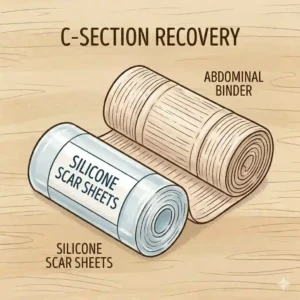
The Solution: Abandon standard underwear entirely. Utilize the ultra-high-waisted mesh undies from the Bodily Care for Birth Box. Furthermore, use an unscented, dry maxi pad placed horizontally across the inside of the waistband. This provides a soft, sterile cushion between your clothing and your surgical site.
How to Choose a Postpartum Kit Based on Delivery Type
The most common mistake I see partners and friends make when buying a postpartum essentials kit as a baby shower gift is ignoring the delivery method. Anatomy dictates your needs.
1. The Vaginal Delivery Profile
If you pushed, your primary enemy is tissue trauma and swelling. You absolutely require cold therapy, astringents, and numbing agents.
-
Mandatory Items: Instant ice pads, witch hazel liners, lidocaine spray.
-
Expert Reasoning: Ice causes vasoconstriction, reducing the massive rush of blood and swelling to the labial and perineal tissues. The witch hazel acts as an astringent to tighten healing skin. You want kits heavily weighted toward crotch-level interventions.
2. The Cesarean Section Profile
If you had major abdominal surgery, your perineum is intact, but your core is compromised. Ice pads to the groin are useless.
-
Mandatory Items: High-waisted compression garments, silicone scar sheets, flexible hot/cold gel packs.
-
Expert Reasoning: You need core stability and scar protection. The hot/cold packs from the Lansinoh kit can be placed over your abdomen to soothe the incision site or ease the uterine contractions triggered by the oxytocin release during breastfeeding.
3. The “Wait and See” Profile
If you are planning a vaginal birth but want to be prepared for an unplanned C-section, modularity is key. Focus on purchasing high-quality, high-waisted underwear first, and opt for a basic pain-relief spray rather than buying a 30-pack of specialized ice pads that you might never use.
DIY vs. Pre-Packaged Kits: What Really Makes Sense?
A persistent debate in the mom-blogosphere is whether you should just buy the components individually at a pharmacy to save money. Let’s analyze the real ROI (Return on Investment) of a pre-packaged box versus the DIY route.
The Hidden Cost of DIY
If you walk into a drugstore to build your own kit, you will need: a box of heavy overnight pads, a bottle of generic witch hazel, a bag of cotton rounds, a squirt bottle from the travel aisle, and aloe vera gel.
While the receipt might ring up at around $25, the efficiency gap is massive. Pouring liquid witch hazel onto a dry pad creates a soggy, disintegrating mess. A travel squirt bottle doesn’t have an inverted nozzle, meaning you have to tip it sideways, effectively spraying your thigh instead of your perineum.
The Value of Pre-Packaged Engineering
The companies making these kits aren’t just boxing up generic items; they are engineering solutions to very specific physics problems. For example, creating a peri wash bottle that maintains water pressure while completely inverted requires a specialized dual-valve system.
When you purchase a dedicated postpartum essentials kit, you are paying for ergonomics. In those first foggy, painful days, the ability to grab a perfectly shaped, pre-soaked, non-drip liner is worth the extra $15-$20. Your time, sanity, and comfort during the most vulnerable week of your life have monetary value.
Features That Actually Matter (And Those That Don’t)
Marketing departments love to add “fluff” to maternal care boxes to inflate the perceived value. As an industry consultant, here is my filter for what actually matters when you are bleeding and in pain.
Ignore These Marketing Gimmicks:
-
Heavily Scented “Relaxing” Bath Bombs: Keep artificial fragrances thousands of miles away from a healing perineum or a fresh incision. According to research published via the National Institutes of Health (NIH), synthetic fragrances are a leading cause of contact dermatitis and can disrupt vaginal flora, leading to yeast infections.
-
Aesthetic Sleep Masks & Fuzzy Socks: Cute, but they do absolutely nothing for your physical recovery. Don’t pay a premium for a kit that substitutes real medical supplies for pajama accessories.
-
Tiny 1oz Tubes of Cream: Postpartum bleeding lasts 3 to 6 weeks. A thumb-sized tube of nipple cream or perineal balm will be empty by Day 3.
Prioritize These Core Features:
-
Inverted Squeeze Capability: If the peri bottle doesn’t explicitly state “upside-down” or “inverted” use, skip it.
-
Medical-Grade Adhesives: The glue on the back of the heavy-duty pads must be strong. A shifting pad leads to leaks, which leads to ruined sheets and more laundry—the exact opposite of a restful recovery.
-
Seamless Textile Construction: Every seam is a potential friction point against a swollen body. Look for terms like “micro-mesh,” “seamless knit,” or “laser-cut.”
Long-Term Recovery: What to Expect Beyond Week One
The most dangerous myth of postpartum recovery is the idea that you are “bounced back” after your six-week checkup. The reality of your body’s timeline requires your kit to evolve with you.
Days 1 to 7: The Acute Phase
This is where you use the heavy artillery: the thick ice pads, the continuous lidocaine sprays, and the heavy mesh underwear. Your lochia will be bright red and heavy. Rest is paramount.
Days 8 to 21: The Transition Phase
The bleeding will transition to a pinkish-brown (lochia serosa) and become lighter. The intense swelling will subside, but you may experience persistent itching as the stitches begin to dissolve.
-
Kit Adjustment: You will drop the thick ice pads. This is the time to utilize warm sitz baths. If you purchased the Ninja Mama kit, this is where the magnesium soak shines. You’ll transition from bulky mesh underwear to your own full-coverage cotton briefs, paired with standard maxi pads and a swipe of soothing herbal balm to calm the itching.
Days 22 to 42: The Resolution Phase
Bleeding becomes a yellowish-white discharge (lochia alba). The external wounds are mostly closed, but internal pelvic floor healing is still very active.
-
Kit Adjustment: Your primary tool now is just the peri bottle (for daily hygiene and freshness) and light panty liners.
The Total Cost of Ownership Strategy
Because of this timeline, the smartest financial strategy is to buy one premium comprehensive kit (like Frida Mom or Bodily) for the Acute Phase, and then supplement with cheap, bulk-bought drugstore panty liners and plain Epsom salts for the Transition and Resolution phases. You don’t need expensive “maternity” pads for week four.
Advanced Comfort: The Psychological Impact of Dedicated Care
We focus heavily on the physical specifications of these products, but we must discuss the psychological transformation that occurs when a mother uses them.
Postpartum depression and anxiety are exacerbated by physical pain and sleep deprivation. When a mother is forced to use inadequate tools—leaking onto her mattress because a hospital pad shifted, or crying in the bathroom because wiping with dry toilet paper is agonizing—her stress cortisol levels spike.
Opening a beautifully packaged, intelligently designed box that anticipates your pain and solves it instantly sends a psychological signal: My recovery matters.
In my consultations, mothers who felt physically supported and in control of their bodily hygiene reported higher overall satisfaction with their early maternal experience. They felt less like a discarded vessel and more like a recovering patient who deserved dignity. Never underestimate the mental health benefits of a pain-free bathroom trip.
✨ Don’t Miss These Exclusive Deals!
🔍 Ready to build your ultimate hospital bag? Click on any highlighted item to secure your recovery gear. Treat your body with the care it deserves during the fourth trimester!
Conclusion: Embracing the Healing Process
Navigating the aftermath of childbirth is a profound, messy, and exhausting journey. However, suffering in silence with inadequate tools is entirely optional. A thoughtfully chosen postpartum essentials kit is the bridge between the trauma of delivery and the peace of early motherhood.
Whether you opt for the clinical precision of the Frida Mom system, the luxurious, skin-friendly textiles of Bodily, or the holistic, botanical relief of Earth Mama, the key is preparation. Do not wait until you are home from the hospital, aching and exhausted, to realize you need these items.
Your body just grew and delivered a human being; it deserves the highest standard of care, comfort, and respect. Invest in your healing, follow the layering techniques, and give yourself the grace and time necessary to recover fully.
FAQs
❓ When should I pack my postpartum essentials kit in my hospital bag?
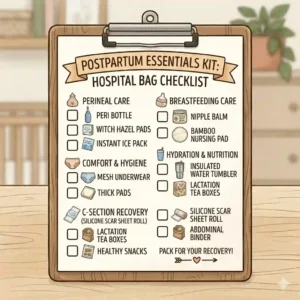
✅ Aim to have your hospital bag, including your recovery kit, packed by week 35 of your pregnancy. Babies often arrive unpredictably, and having your supplies ready prevents a frantic, last-minute scramble or forcing your partner to decipher pad absorbency levels at the pharmacy…
❓ Can I use a postpartum kit if I have a C-section?
✅ Yes, but focus on kits with high-waisted, non-restrictive underwear and flexible hot/cold packs for abdominal use. Skip kits that heavily feature perineal ice pads, as they won’t aid incision healing. Bodily’s kit is specifically excellent for surgical recovery…
❓ How many instant ice pads do I actually need?
✅ Most women use 3 to 4 ice pads per day for the first 3 to 5 days. A standard box of 8 is usually insufficient; it is wise to have 12 to 15 ice pads on hand to get you through the acute swelling phase comfortably…
❓ Are herbal perineal sprays safe to use on stitches?
✅ Yes, provided they are formulated without synthetic alcohols or artificial fragrances. Ingredients like witch hazel, aloe vera, and cucumber are astringent and soothing. Always pat dry or air dry after spraying to prevent excess moisture buildup…
❓ How long do you use the peri bottle after birth?
✅ Most women use the peri wash bottle for 2 to 4 weeks, or until lochia (bleeding) completely stops and the perineal area feels fully healed. It replaces abrasive toilet paper and dilutes urine to prevent stinging on micro-tears…
Recommended for You
- 5 Unbeatable new mom necessities for 2026 (Expert Tested)
- Perineal care bottle Guide 2026: 5 Smart Benefits Every New Mom Should Know
- 5 Best Postpartum Gift Box Essentials for 2026 (Expert Reviewed)
Disclaimer: This article contains affiliate links. As an Amazon Associate, I earn from qualifying purchases. If you purchase products through these links, we may earn a small commission at no additional cost to you.
✨ Found this helpful? Share it with your pregnant friends and mom-groups! 💬🤗
[addtoany]
